The back story
From the foglietta to the speakeasy: how Rome drinks, the back story
Papal wine measures, a temple turned stock exchange and a hotel garden where Picasso met Cocteau.
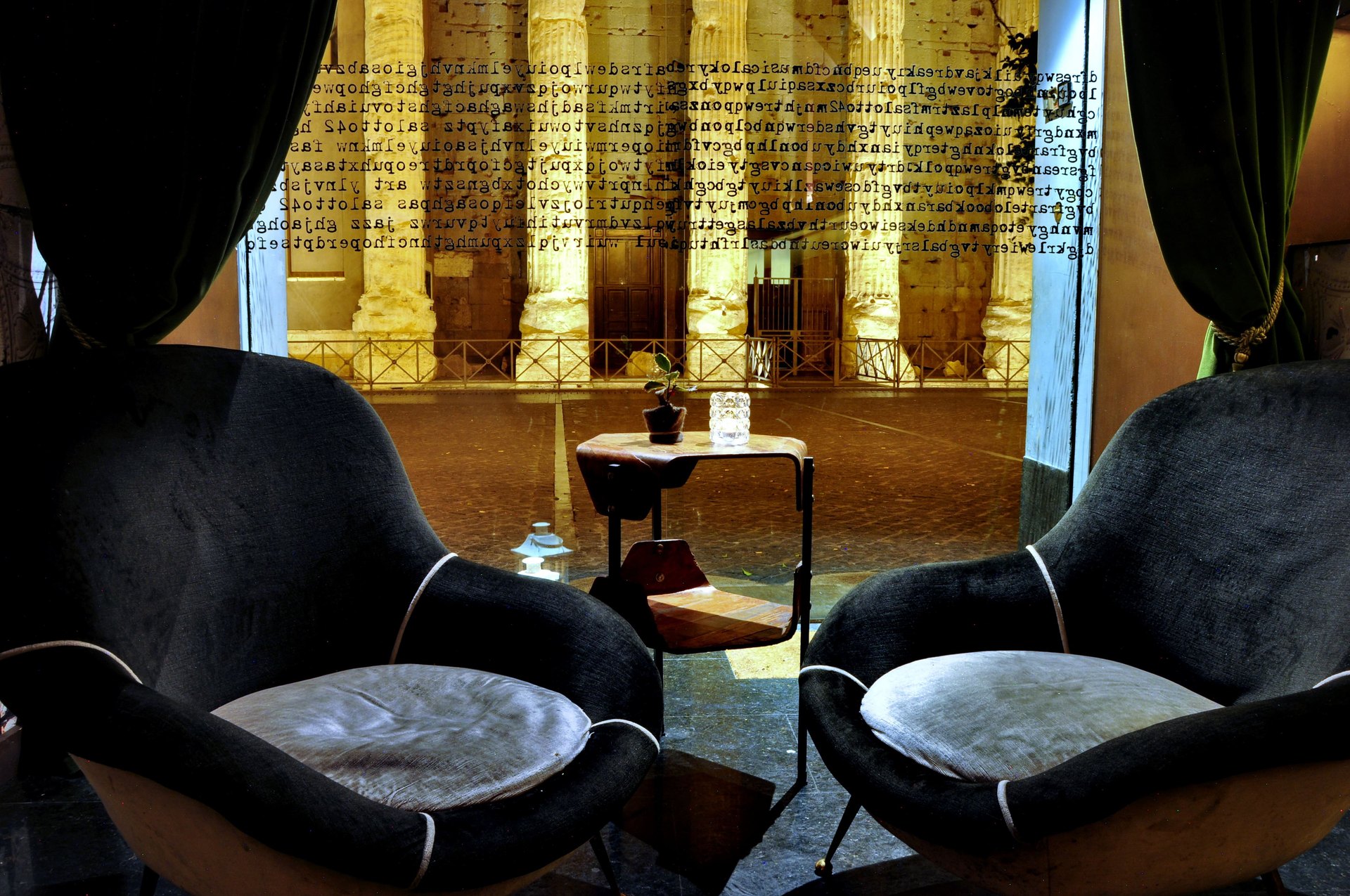
Photo Credit
Image courtesy of © Salotto 42Rome drank wine for centuries before it took to the cocktail, and the city’s bars still show the layers: a wine bar pouring by the glass in a city that once regulated the glass itself, a former dairy serving the aperitivo behind the Piazza Navona, a speakeasy behind a closed door off the Via Giulia, and a hotel garden on the Via del Babuino where Picasso and Cocteau first met.
Wine came first
Rome was drinking long before it learned to mix. Under the ancient Romans, the city’s tourism board notes, wine became a profitable business, and Lazio sent its Caecuban and Alban wines to the table. Monte Testaccio, the man-made hill in Testaccio, is made of broken wine and oil amphorae from the river port; in papal times the feasts of the Ottobrate were held there, with wine from cellars dug into its slopes.
The papacy kept a close eye on the glass. In 1588 a papal order made innkeepers serve wine in glass rather than terracotta or metal, to stop them cheating on measures, and the measures themselves (the foglietta, the quartino, the sospiro) were marked by a line engraved in the glass. Rome named one of its measures after a sigh, which seems about right for the last glass of the evening.
That habit of wine by the glass survives at Il Goccetto, an old-fashioned wine bar on the Via dei Banchi Vecchi, between the Campo de’ Fiori and the Tiber. Out in the Castelli Romani, a statute of 1515 already regulated Frascati’s harvest and wine sales, and the town’s fraschette, makers’ own wine bars, took their name from the laurel branches and vine shoots hung outside as a sign.
The aperitivo hour
Roman bars rarely specialise. Bar del Fico, on the Piazza del Fico behind the Piazza Navona, began, in its own telling, as a latteria that also served drinks; today it runs from breakfast through lunch and the aperitivo to the dopocena, with tables outside under the fig tree. In Trastevere, near the Ponte Sisto, Freni e Frizioni (“Brakes and Clutches”) has a name better suited to a garage and an aperitivo famous across the river.
Secret doors and ancient columns
The cocktail arrived later and, at first, behind closed doors. In 2010 a group of bartenders opened Jerry Thomas Speakeasy as a small club off the Via Giulia, at Vicolo Cellini 30, and it calls itself Italy’s first “secret bar”; the name honours the 19th-century bartender known as the father of the cocktail. Book on its own website, and treat the door as part of the drink.
On the Piazza di Pietra, Salotto 42 looks out at eleven columns of the temple dedicated in AD 145 to the deified emperor Hadrian. In 1879 the remains were built into the palazzo of the stock exchange, now the Chamber of Commerce. From the velvet armchairs the view is of a temple turned trading floor, which in Rome counts as sensible reuse of a good building.
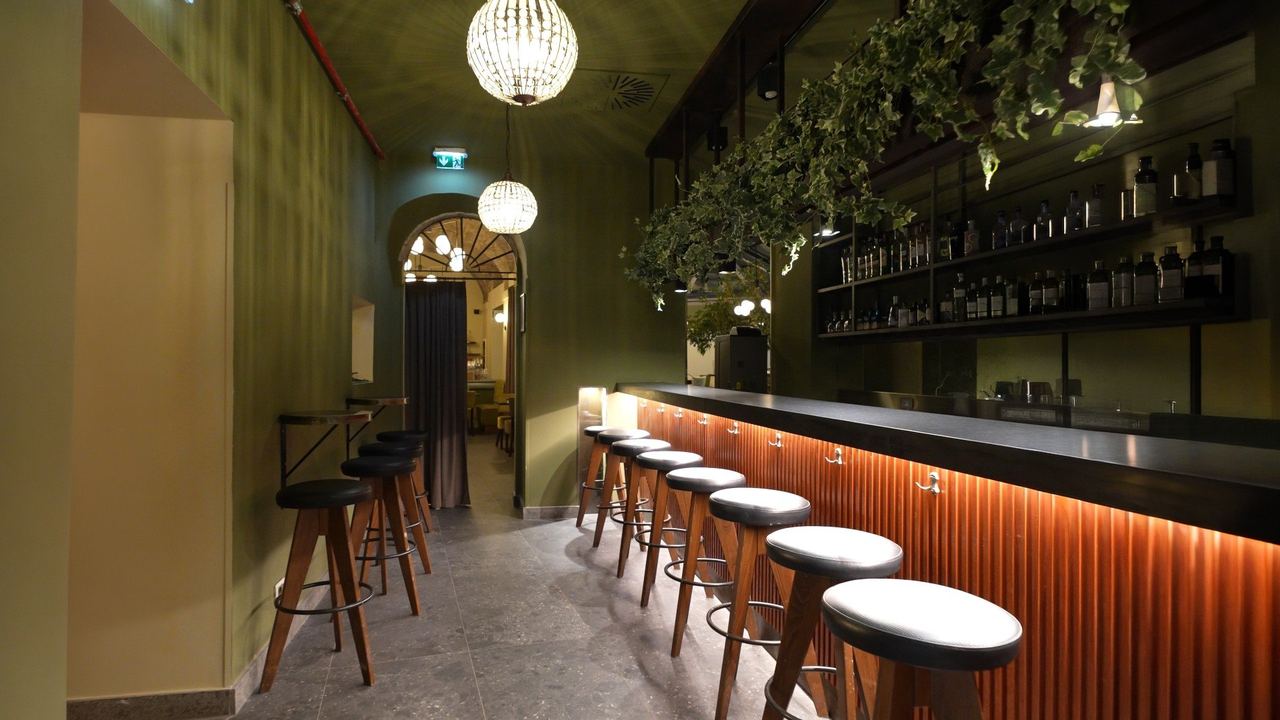
Photo Credit
Image courtesy of © Bar del FicoIn Monti, a short walk from the Colosseum, Drink Kong takes the opposite approach to antiquity: neon light lines over a back bar of lit bottles, and not a column in sight.
Rome named one of its measures after a sigh, which seems about right for the last glass of the evening.
The hotel bar
The grandest Roman drink is still taken in a hotel garden. The Hotel de Russie, on the Via del Babuino, traces its heritage to the early 19th century, when the architect Giuseppe Valadier was commissioned to design it; its terraced Italian garden is now known as the Secret Garden. The hotel says it was there, in 1917, that dance brought Pablo Picasso and Jean Cocteau together, the meeting behind Parade, the first Cubist ballet.
The Stravinskij Bar, with tables in that garden, takes its name from Igor Stravinskij, one of the figures the hotel links to that circle with Diaghilev and Nijinskij. Few hotel bars can claim a ballet among their guests’ souvenirs.
Our advice: start with a glass of wine at the counter in the early evening, move on to an aperitivo in Trastevere or behind the Piazza Navona, and book the Jerry Thomas Speakeasy ahead. Keep the Stravinskij Bar for a warm evening, when the garden tables are the best seats on the Via del Babuino.
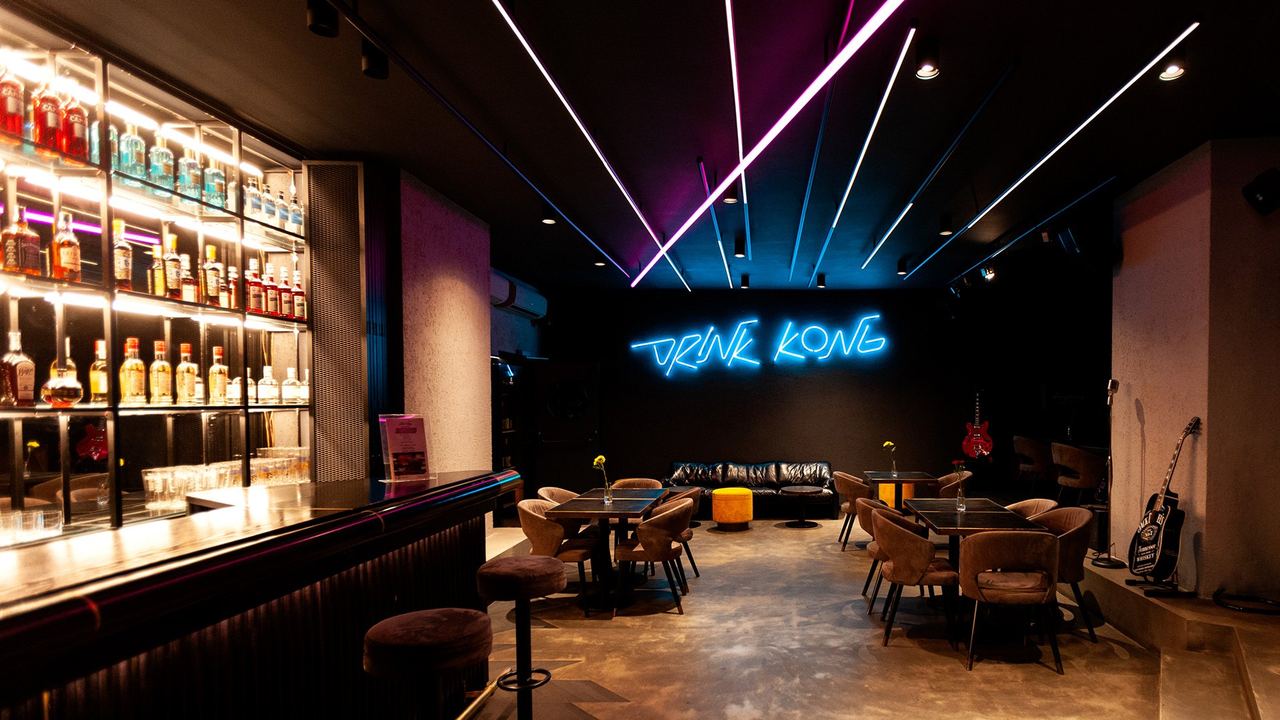
Photo Credit
Image courtesy of © Drink KongWhy it's on our list
- Wine came first
- The aperitivo hour
- Secret doors and ancient columns
- The hotel bar
Location
The map comes from Google Maps, which sets its own cookies once it loads.
More in depth
 The back storyFrom the Hassler to the new palazzo hotels: the grand hotels of RomeFrom the Hassler to new palazzo hotels: where to stay.
 The back storyAncient, papal and Baroque: how to read the Eternal CityAncient, papal and Baroque Rome: the city in three walks.
 The back storyCaravaggio, Bernini and the MAXXI: Rome, the city of artCaravaggio, Bernini, Raphael, MAXXI and opera at Caracalla.