Objects of Desire
Gods among the engines: Rome’s machine rooms
Marble gods beside 7,500 hp diesels, and a film factory of 400,000 square metres.

Photo Credit
Image courtesy of © Carole Raddato from FRANKFURT, Germany · CC BY-SA 2.0 via Wikimedia CommonsWhere does a city of marble keep its machines? In Rome the answer is: right next to the marble. Here is how the city’s first public power station came to house the Capitoline sculptures, why Cinecittà was built with its own power plants, and which kit is worth packing, checked against the museums’ and studios’ own pages in November 2026.
The power station on the Ostiense
The Centrale Montemartini was the first public plant for producing electricity in Rome. It came out of a referendum on 20 September 1909, when Romans voted to bring their public services under municipal control, and it was inaugurated in 1912 on the Via Ostiense, between the Mercati Generali and the Tiber.
The same vote created the Azienda Elettrica Municipale, today’s Acea. The museum therefore stands in the birthplace of a public utility, which is a more practical pedigree than most of the marble inside can claim.
The site was chosen with an engineer’s eye: water on tap for the machinery, and a position outside the city’s customs line, so its fuel escaped the city’s duties. In 1913 it was named after Giovanni Montemartini, the councillor responsible for the city’s technical services, who died during a session of the City Council. Few public servants have been remembered quite so electrically.
Inside, steam turbines gave a steady supply while diesel engines took the strain at peak hours. Two Tosi diesel engines of 7,500 hp are still in the Sala Macchine, and a 45-atmosphere Tosi boiler stands in the Sala Caldaie. The plant was shut down in the mid-1960s, and in the late 1980s the engine and boiler halls were restored as an arts centre.
When the gods moved in
In 1997 the Capitoline Museums were under major renovation, and rather than lock their sculptures away, the city sent a selection down the Ostiense. The exhibition opened that October under the title Le macchine e gli dei, the machines and the gods, and it proved so persuasive that it became a permanent museum in 2001.
The effect is still startling. Marble portrait heads stand in front of the machinery, gods and magistrates lined up beside the diesels as if waiting for the next shift. Few museums can claim that the building once kept the lights on for the city outside.
Few museums can claim that the building once kept the lights on for the city outside.
The dream factory
Out on the Via Tuscolana, Cinecittà was planned as a machine for making films. It opened on 28 April 1937, designed by the architect Gino Peressutti, with 73 buildings, 21 stages, executive offices and its own power plants: a studio town that did not intend to wait for anyone else’s electricity.
Today the studios cover 400,000 square metres, including a backlot of more than 100,000. There are 19 stages, among them the Teatro 5 named after Federico Fellini, and more than 3,000 films have been made here, with 47 Oscar winners among them. Since 2011 Cinecittà si Mostra has opened the outdoor sets and historic buildings to visitors, and the MIAC, Italy’s museum of film and audiovisual media, has been on the lot since December 2019.
To see what the factory makes, Cinema Barberini on the Piazza Barberini keeps a section of films in their original language with Italian subtitles, in halls of 31 to 184 seats, and pairs some screenings with dinner. The Casa del Cinema in the Villa Borghese runs retrospectives, this month Luis Buñuel’s, with films shown in the original language.
The kit worth packing
If the machines have put you in the mood for gadgets, our Travel Tech feature does the comparing for you, from noise-cancelling headphones to a Leica Q3 for the Ostiense’s low light, every figure checked against the makers’ own pages. Rome’s cobbles are hard on a dropped lens, so take a strap.

The most beautiful machine in town, though, may be the one that leaves it. La Dolce Vita Orient Express runs journeys across Italy and one-way trips between Rome and Istanbul in wood-panelled carriages, with dining curated, in Orient Express’s words, by Heinz Beck, chef of La Pergola. Of all the city’s engines, it is the one most likely to be photographed from the platform by people who are not getting on.
Our advice: pair the Centrale Montemartini with lunch in Ostiense or Testaccio, and book Cinecittà si Mostra on the studios’ own website before you go; the sets are outdoors, so wear shoes for the backlot rather than the red carpet.
Why it's on our list
- The power station on the Ostiense
- When the gods moved in
- The dream factory
Location
The map comes from Google Maps, which sets its own cookies once it loads.
More in depth
 Objects of DesireGlass, travertine and a station 32 metres down: Rome builds newRichard Meier’s glass box for the Ara Pacis, Zaha Hadid’s MAXXI and Metro C’s museum stations.
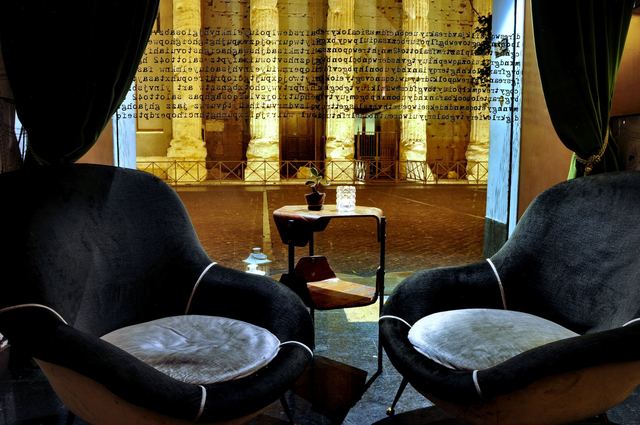 Objects of DesireThree equal measures: the Negroni, the Americano and Rome’s barsThe IBA’s Negroni and Americano, a password-only speakeasy and a book bar facing Hadrian’s columns.
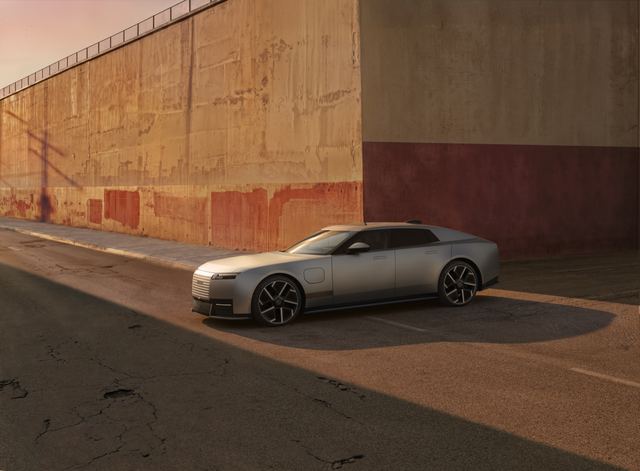 Objects of DesireLess parked than crouched: the electric Jaguar and the new supercarsJaguar’s Type 00 and Type 01, Ferrari’s first electric car and the record-breakers around them.